PREDATION
Predation is part of fishery life. Food chains exist to protect the balance between the many different species of fish, invertebrates, aquatic life, etc. If this balance is lost then the benefits to one species will be at the expense of another. Some predation is welcomed by the anglers; the growth of big perch, feeding on smaller roach and perch is seen as a positive rather than a negative part of the food cycle.
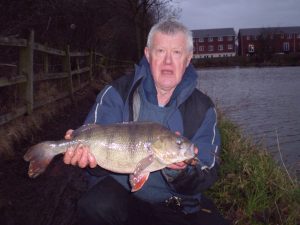
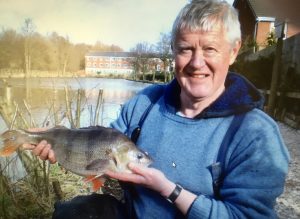
Who would be critical of perch similar to the ones shown above caught on a water less than 1 acre in size, or caught on the local canal because they eat perch and roach fry.
PREDATORY BIRDS
Whilst many anglers accept the odd heron on the waters edge, picking out the odd roach and perch as a natural part of the food chain; it is the non native species that cause most concern. In particular it is the cormorant that has devastated some waters, almost eliminating shoals of large roach.
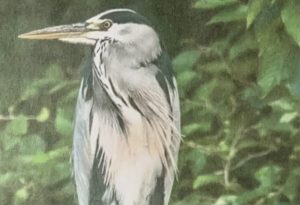
The heron is seen by many anglers as an acceptable visitor to the fishery picking off a few small roach or perch.
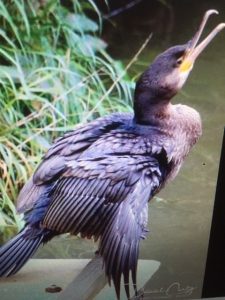
The cormorant is a non native species but this does not mean that they can be culled without consent. Don’t take action, without approval from the appropriate authority
( ENVIRONMENT AGENCY).
There are powers available from the Environment Agency which can be applied to the fishery, which provides a degree of protection by providing additional colour to the water. There are, however. different views as to its effectiveness. Some angling bodies use ropes to deter cormorant visits but this can cause problems for swans visiting the fishery. Reedbeds and plants , strategically placed can also help fish stocks against avian predation.
KINGFISHERS
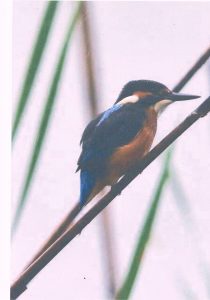
Some predators are seen as welcome visitors to the site; enhancing the beauty of the fishery by their visits, and having only marginal effects on the fish stocks. Taking only fry, usually roach,skimmers or perch. They too are protected birds.
MAMMALS
Mink and otters can be a problem to the fishery. You will inevitably need advice from the Angling Trust, Environment Agency or the Institute of Fishery Management as to how the problem can be approached. Otters are a protected species.
ANGLING TRUST
The Angling Trust has two full time Fishery Management Advisors, whose role is to advise on predation issues – mainly avian predation